
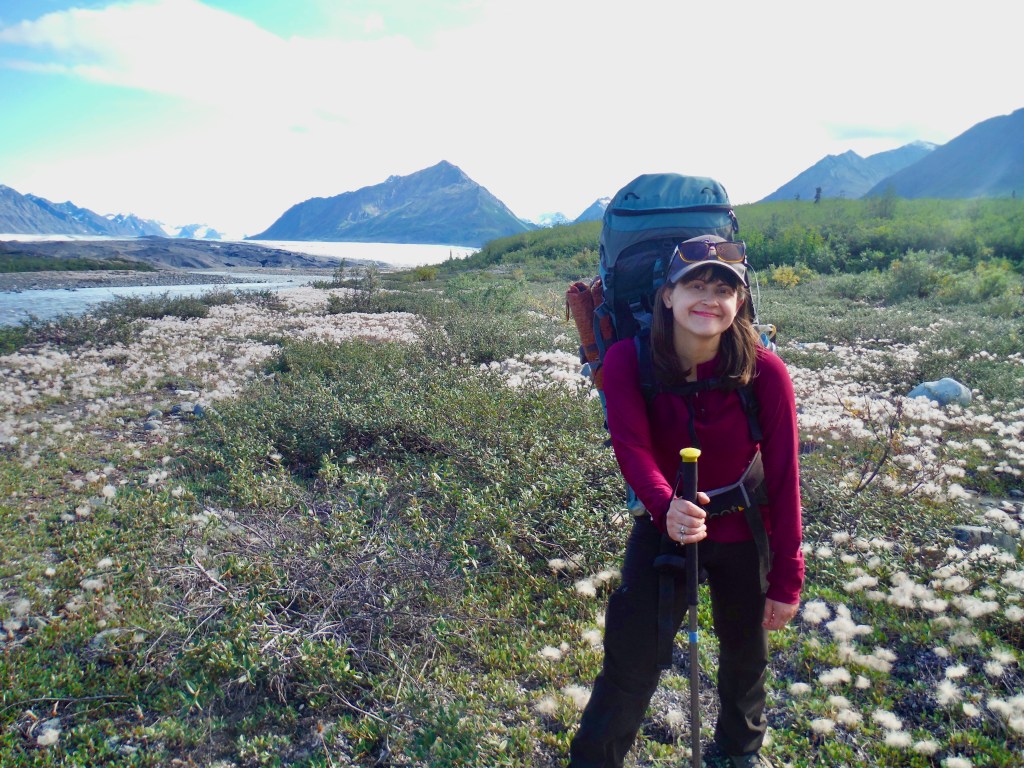
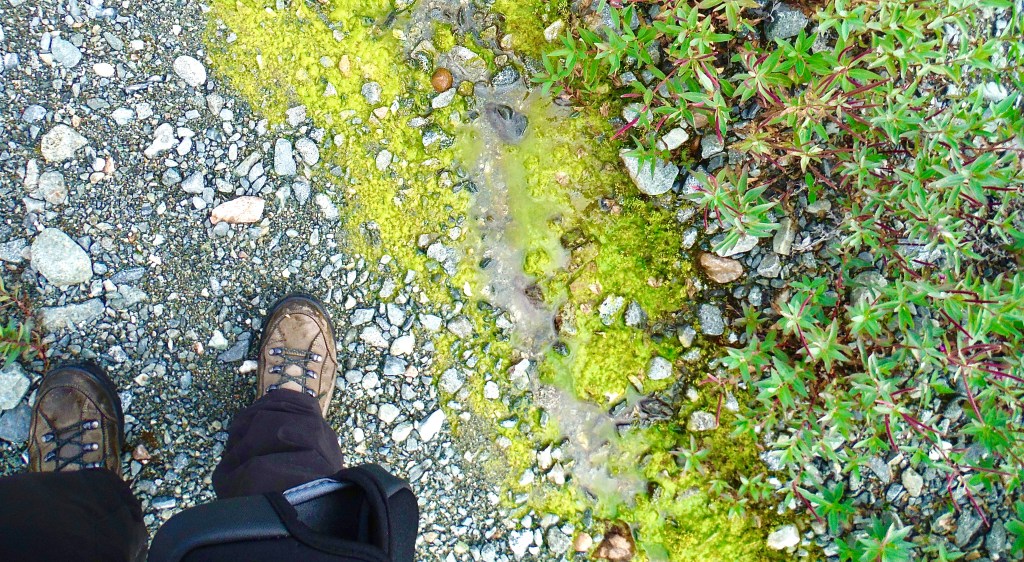
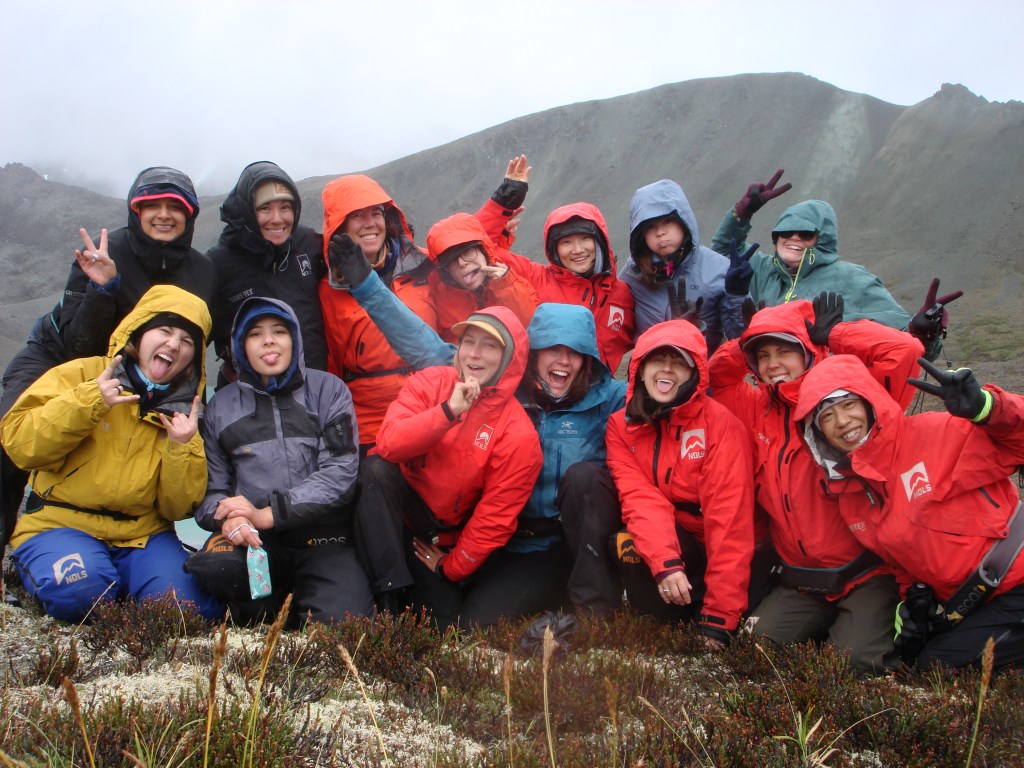
In the middle of August in Alaska, I completed a National Outdoor Leadership (NOLS) course that brought together 11 students and three phenomenal instructors, all of whom were older than 23 and identified as women. During this expedition, I spent eight days hiking over 21 miles through the Chugach mountains with complete strangers, despite never having backpacked before. I have to admit: I do not feel like the same person I was before. I came out of it not only with the ability to physically survive in the backcountry, but also as a more confident, trusting, and open-hearted person, and someone who better understands and believes in their own leadership ability in a community.
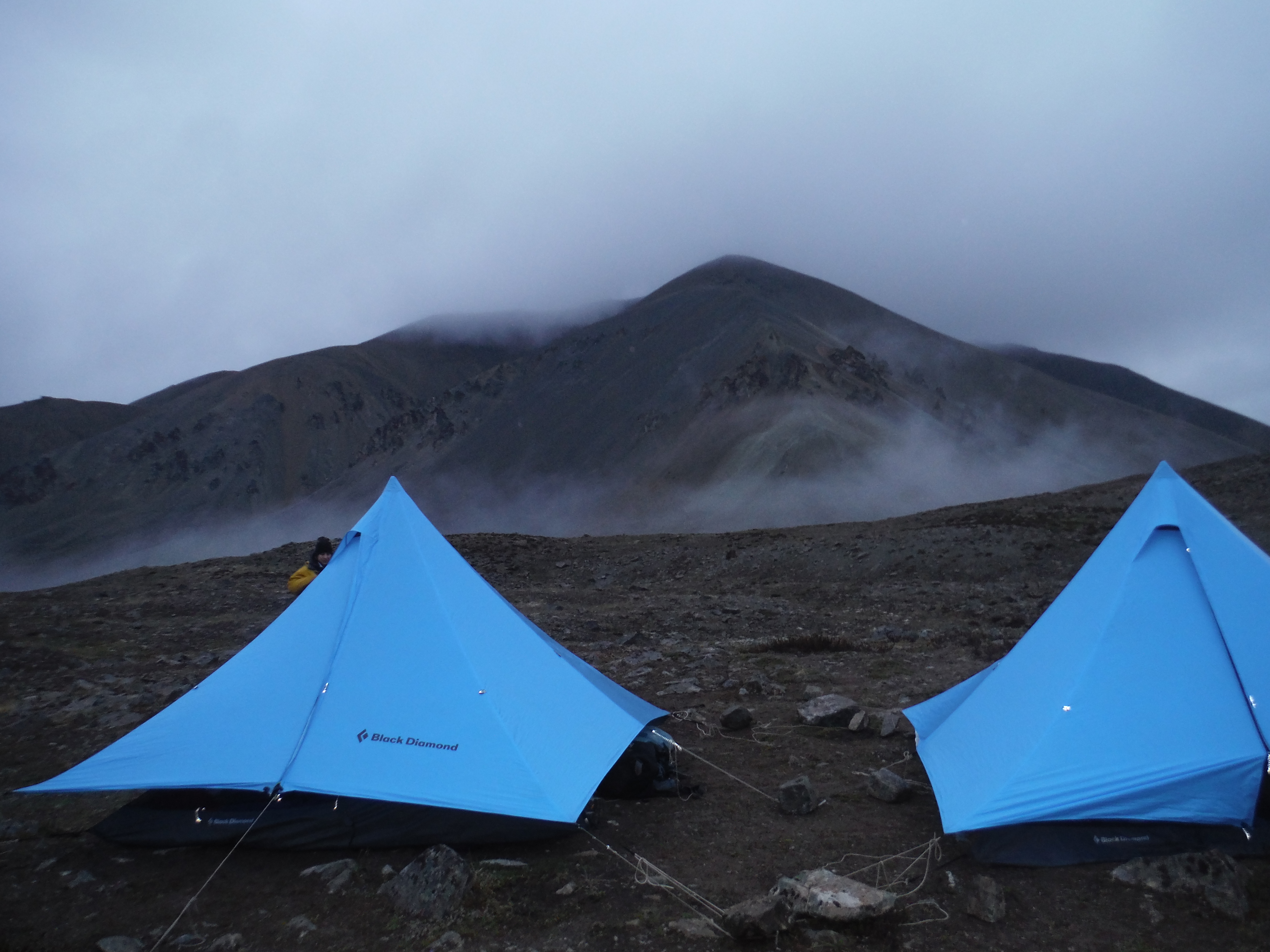
Our trip went as follows: After covering some camping basics and getting our gear all ready, we were flown out via bush plane to the Nelchina Glacier, where we made our first meal together and sat in a group while deciding what our values were, and what kind of community we wanted to be to each other on this trip. I cried behind sunglasses, listening as each person offered up vulnerability and acceptance for each other’s skill level and personalities, despite having just met. After that night, we spent the rest of the days walking, camping, and cooking: first away from the glacier through the river valley, then up a steep hike through thick willows and alders, concaving around a peak I didn’t think I could reach. Next, we hiked up and down bigger rocks, then scree, to an alpine pass, then down the other side of it, making camp for an extra night in the fog surrounding the perfectly turquoise Lile Lake, before leaving it a day and a half later, under a rainbow.
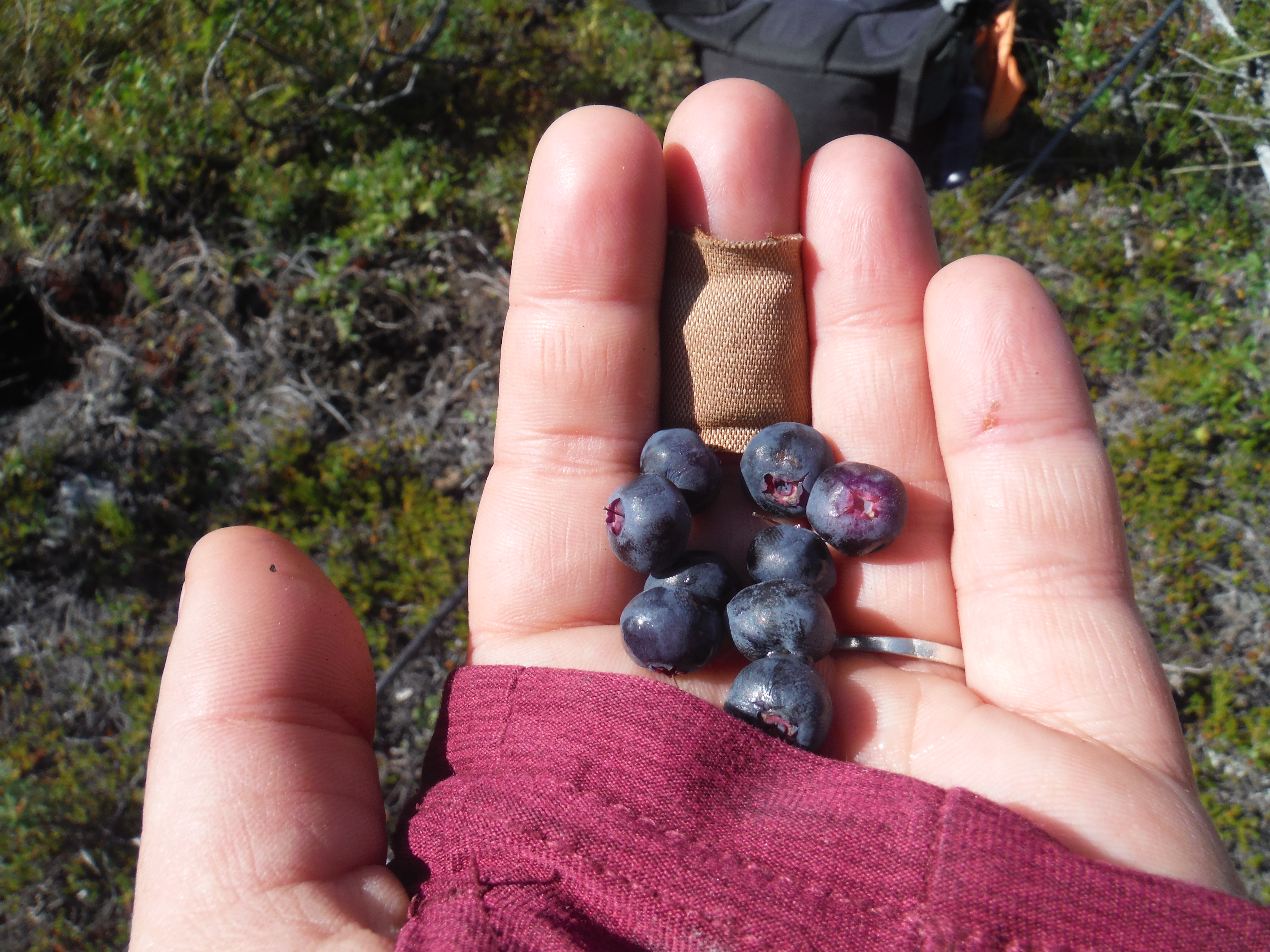
Finally, we lugged out packs under hot sun beside the East Fork of the Matanuska River, where we ended the day swimming in icy water, and spent the whole next day eating blueberries as we hiked to our final destination by the Chugach Radio Tower. For only those last two miles we were led by an ATV trail, and all of the rest of the time, we used topographic maps, and gladly followed along moose trails, the path of least resistance. Physically, hiking was difficult for me, more difficult than I imagined. But pushing myself to keep going was also worth it, because of the people I grew close to on the expedition and because this part of Alaska was completely wild and breathtaking, and almost entirely untouched by civilization. I was in awe of the land.
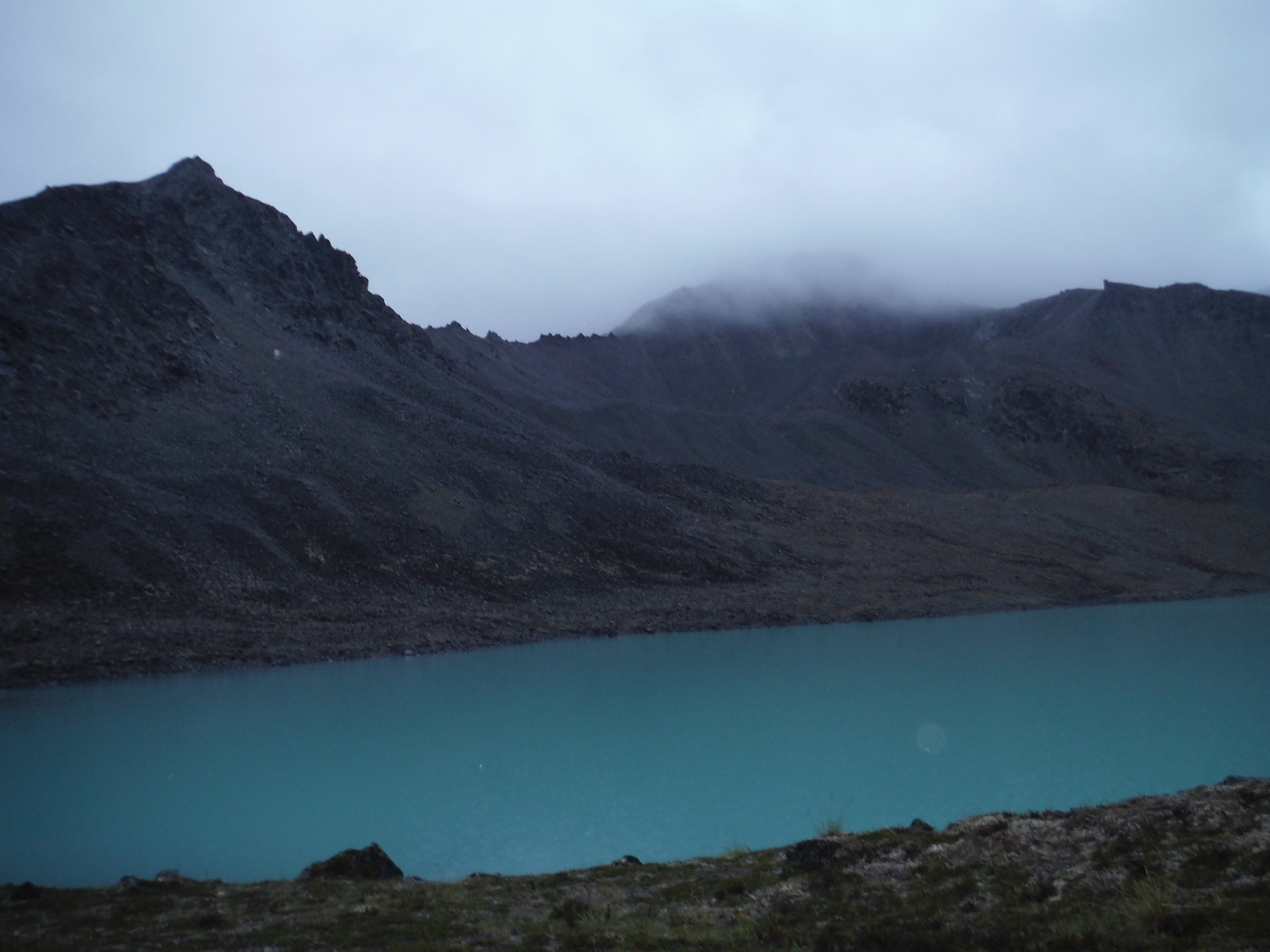
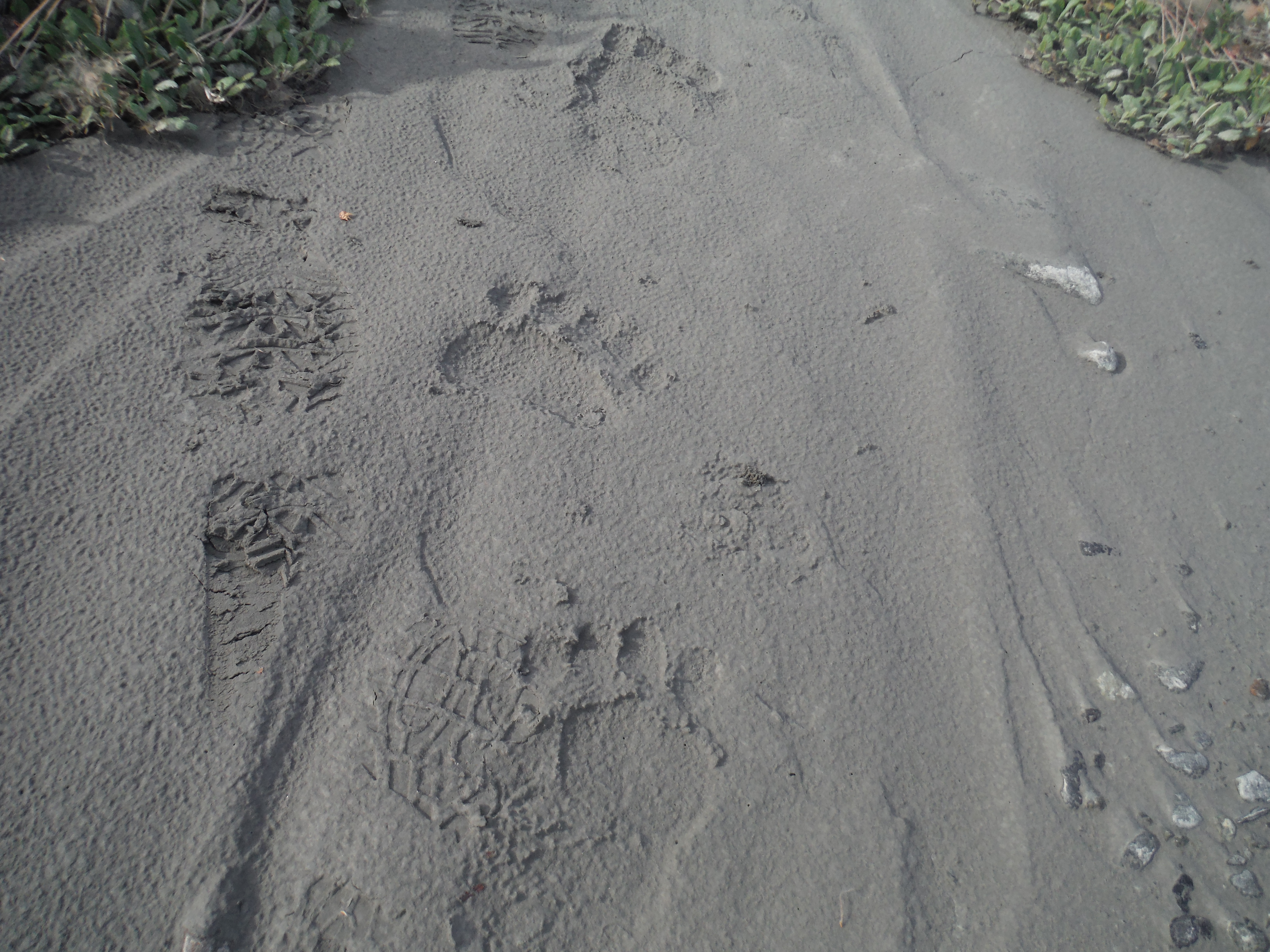
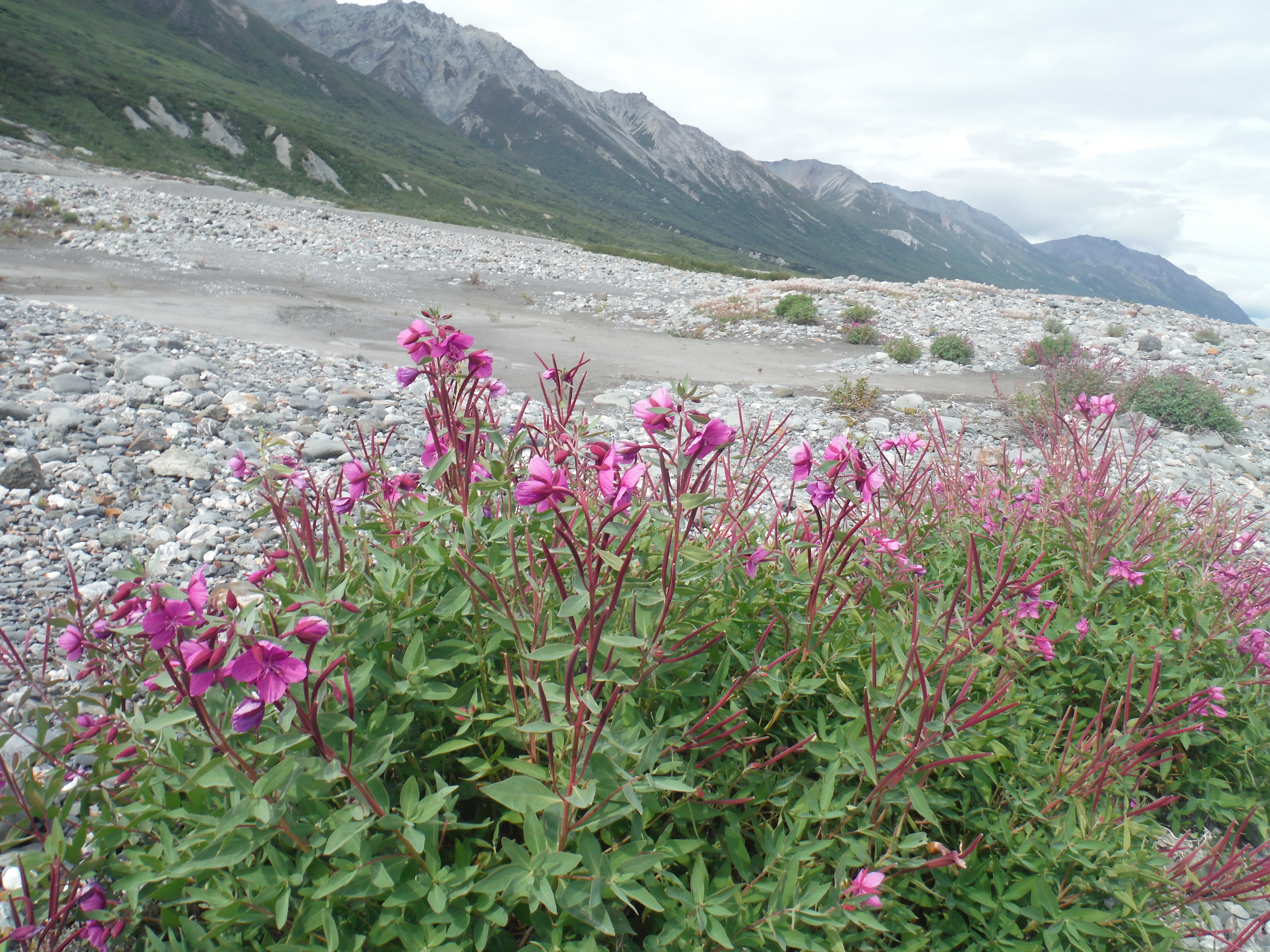
(All above photos by Alyx Chandler)
Through my NOLS course, I learned that one of the skills of leadership is tolerance for adversity and uncertainty, which means turning a challenging situation into an opportunity to learn and, if possible, to lead. This skill refers to the ability to endure (sometimes even enjoy) challenging circumstances and maintain a positive attitude while functioning effectively and patiently with different types of people. What I experienced out in the backcountry taught me what I was capable of, and how it’s much more than I imagine it to be in my day-to-day life. Each night, before slipping into exhausted sleep, I reviewed all that we accomplished in my mind, astounded that I had overcome obstacles like: zigzagging up a rocky mountain, crossing a river with my pack on, bushwhacking straight up for eight hours, leading a group with only my recent knowledge or orienting a map.
Truthfully, there were various moments on the trail where I feared I might die, get seriously injured, let down my whole team and stop our expedition, or break down crying, curled in a little ball, simply unable to use my willpower to finish the journey. As an anxious person, many of these fears were constant, and loomed large as I spent my days trying as hard as I possibly could to maintain a positive outlook with strangers and 50 pounds strapped on my back. Part of tolerance for adversity and uncertainty includes acceptance. I accepted that I was not in control of most things: how snow, rain, or sunshine ruled our lives, or how much wind, elevation, or fresh bear tracks shaped our day. I could not control how these people reacted to me and to the daily challenges and social circles we existed in to survive. Though I worked hard to contribute to the group activities and conversations each day, I could not give all of my energy completely to the group, because I needed to make sure I could function, mentally and physically, in order for the group to go on.
Instead, I focused on learning and then on practicing, over and over and through many rounds of silly mistakes I had to accept with humor and a smile. I stepped out of my comfort zone and forced myself to look around, remembering that this is the same earth dinosaurs shrank and become birds. This is the earth where we evolved for millions of years as humans—compassionate, community-oriented beings—despite great odds. This is the place where highly adaptable fireweed grows a brilliant, hot pink from gravel and rocks, where there are eight different kinds of berries you can safely eat, if only you know how to identify them. I reminded myself that we are not alone here: Alaska is the place of constant bear calls, where my throat got sore daily—where grizzlies, moose and wolves were near, at all times, sharing the land with us, hoping that we don’t destroy where they live. We found grizzly bear scat everywhere, some of it dangerously fresh. I practiced living in my fear, acknowledging the possibility of death, and then letting go of it, knowing I was doing all I could to be safe each day in the backcountry with my new skills.
I was nervous about having to be around people all day, every day, wanting to give off only good impressions, and make them happy and comfortable as they also took on these challenges. I had to let go of the fact that when you’re surviving with people day in and day out, you simply can’t expect yourself to please people with everything you do. I gave up putting pressure on myself to provide the most interesting trail conversation, or to look back every three minutes to check and make sure the person hiking behind me was okay. It simply wasn’t doable—we had to trust each other, keep going, and communicate the best that we could. That was all.
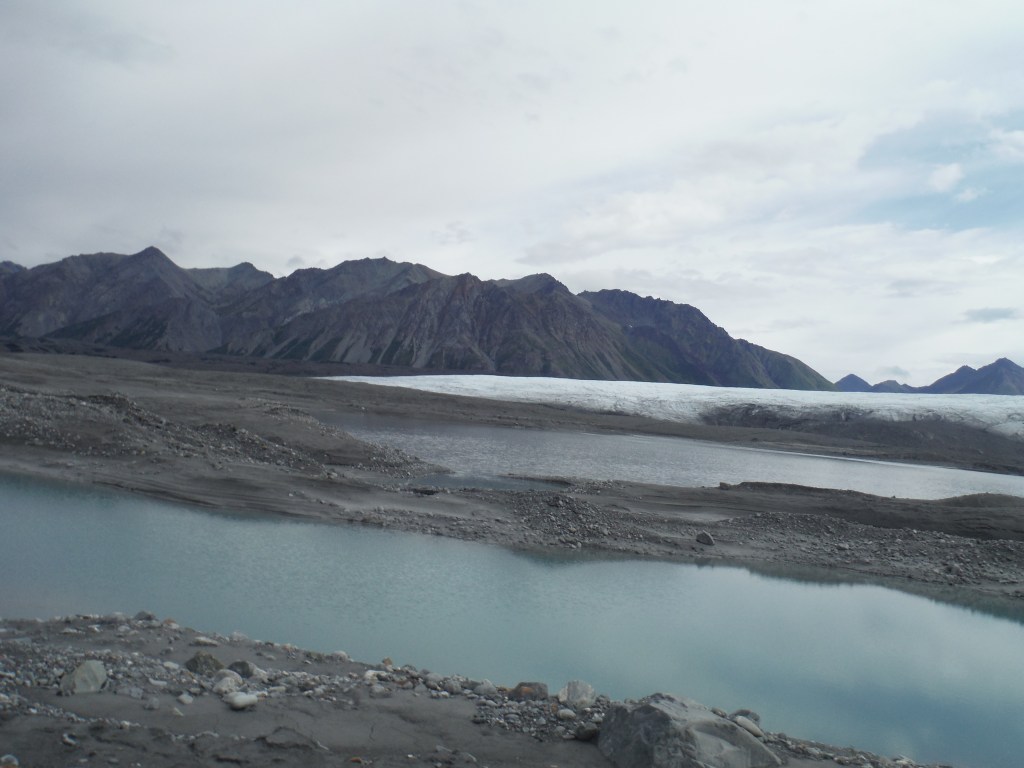
Part of the Nelchina Glacier.
During my time in Alaska, I came to understand the glacier as a clock. I understood it in the way it allows us to view the stoppage of time: a literal, frozen ice wall whose fingers seem to stay still as we move slowly around it, unable to notice its change without large swaths of time. It was also a type of quiet, icy, emergency alarm in how it reminds us that we, as humans, have a limited amount of time on this earth left before it’s melted and gone, replaced by an unendurable heat. This trip out into the wilderness stopped time for me, cut off all the hustle and bustle of a working-everyday, capitalist-choked world, and gave me hours to really take in my experience. There was no cellphone to check, or email, or news, there was only the still glacier, melting bit by bit, our eyes unable to notice. Then there is the knowledge of global warming, how this is a glacier that will soon be gone, which is the case for so many glaciers already. A clock that destructs, as we cling to what’s left.
It became abundantly clear to me, for the first time in my life, that the Leave No Trace Principles matter, and that I’m part of the problem when I don’t abide by them in my life here and back in the lower 49 states. The way it mattered here was intimate—when you move that rock and place it on top of the fragile lichen, moss, and flowers, that fauna will die if you do not move it back where it came from. If you leave crumbs, the bears will find them, and began to habituate the land in a way that is dangerous for our species and theirs. When you poop, you have to be far away enough from the water, so as not to poison it with giardia, which we continue to do, infecting the surrounding animals with it each year. Everything we do has consequences. Of course, this is something adults know. But we get used to turning our heads and looking the other way when it doesn’t impact us directly, or even when the impact will come way down the road, possibly for only for creatures and humans that live long past us. It matters, it all matters.
The last night of my Alaska expedition, I awoke with relief and amazement that my last night in a tent had come to an end. Our five familiar, bright blue tents were in a crooked little line down a narrow rocky road that just barely fit the ends of our tents before bushes and some daisies crowded the edge of where we slept. About 30 feet away, the rocky path opened up into a lake, which I realized that morning was probably the water source to many more creatures than the 14 women on our trip. My tent, along with my two tentmates, was the first to block the path, a path we stepped out into the early morning sun to find fresh, perfect moose prints that stopped short of the tent.
If I had been awake at the right time, peeing under the cloudy sky, shining my headlight into the blackness, I could have seen the moose. It could have been either deadly or magical, a stampede or once-in-a-lifetime eye contact with a creature I longed to see. I imagine the moose saw the big, strange tent obstructing the road, decided it was too much, and simply chose to walk back where it came from, away from us. This was not the first close call to wildlife we had on the trip. Earlier that day, we passed grizzly bear scat, bright red with bear berries, freshly left some minutes ago on the ATV trail.
The fact that it was the last day felt like a coat of protection, everyone already talking about what front country conveniences they were most looking forward to, instead of probably doing as many bear calls as we should with scat that fresh. We were surrounded by close encounters. All the dangers that come up close to our fragile precautions. I think that the truth is even if safety and leadership in the backcountry is a tightly controlled series of actions, ongoing discussions, plan a, b, c, and d’s—there’s still a small element of luck to it all. I was lucky to have survived each day, and lucky to have met all those women who reminded me that we can work together as a loving and supportive community. We can show up for each other, each in our own ways, each contributing different aspects of leadership, all while developing a stronger tolerance for uncertainty and adversity.
Now that I’m back at home in busy Chicago, I’m reminded of how many close but not-close-enough encounters we have in our own daily lives, both to disaster and magical experiences. We have close encounters with people who would be a beautiful addition to our lives, but never quite cross paths with us. Each day since the trip, I’ve thought back to all the women I met and lived alongside of for eight days. This year, I want to show up for people the way these women showed up for me and I showed up for them: positive despite adversity, open and trusting despite uncertainty. Just like it changed my life on this trip, I know it will continue to change my life with other people, and with how I treat this planet, again and again.
 Alyx Chandler